
NEWS UPDATE
BERITA TERBARU
Ini dia sumber Astaxanthin yang mudah didapatkan!
Astaxanthin adalah antioksidan yang kuat di antara karotenoid alami lainnya, dengan kemampuan menetralkan radikal bebas dan melindungi sel dari kerusakan oksidatif dan aktivitas antiinflamasi, yang telah menunjukkan kapasitas penyerapan radikal oksigen (ORAC/oxygen radical absorbance capacity) tinggi yaitu 100–500 kali lebih tinggi daripada alpha-tokoferol dan aktivitas penghambatan radikal bebas 10 kali lebih tinggi daripada antioksidan terkait (alpha-tokoferol, alpha-karoten, beta-karoten, lutein, dan likopen).
Hal ini dikarenakan astaxanthin memiliki sifat struktur kimia yang unik (lebih banyak gugus hidroksil dibandingkan xantofil lainnya), sehingga aktivitas antioksidannya lebih superior dan manfaat kesehatannya yang lebih beragam dan mendalam bagi manusia, seperti kesehatan mata dan otak, perlindungan UV dan kesehatan kulit, aktivitas antiinflamasi, modulasi sistem kekebalan tubuh dan kesehatan metabolik kardiovaskular.
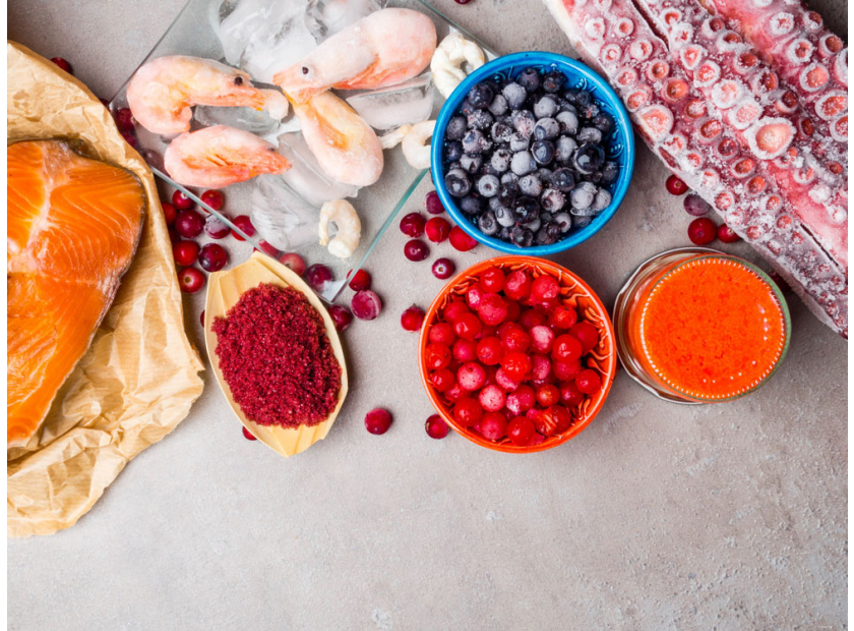
Astaxanthin adalah senyawa pigmen dari laut dengan struktur molekul sedemikian rupa sehingga membuatnya menjadi aktif sebagai antioksidan. Astaxanthin dapat ditemukan pada biota laut diantaranya pada alga hijau Haematococcus pluvialis, beberapa jenis ikan seperti ikan salmon, tuna dan trout, juga terdapat pada kelompok krustasea (missal udang, lobster, dan kepiting/rajungan) serta ragi Phaffia rhodozyma.
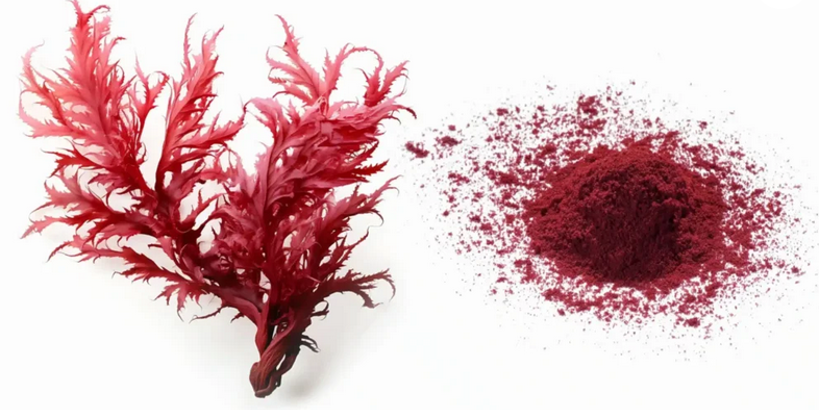
Keberadaan astaxanthin berlimpah di alam ini, namun hampir semuanya terdapat dalam konsentrasi yang rendah. Haematococcus pluvialis adalah mikroalga uniseluler yang tersebar dan tumbuh di air tawar di seluruh dunia, dimana merupakan sumber zat bioaktif, seperti karotenoid, protein, dan asam lemak. Di antara mikroalga yang berpotensi secara komersial, Haematococcus pluvialis dikenal sebagai salah satu sumber astaxanthin alami yang memiliki banyak manfaat karena dapat mengakumulasi astaxanthin dalam jumlah besar dibandingkan dengan organisme lain, sehingga dapat diolah dan digunakan, diantaranya dalam pembuatan produk kosmetik dan kesehatan.
Saat ini Astaxanthin mudah ditemukan dalam berbagai bentuk sediaan, seperti suplemen kapsul (oral) ataupun topikal dalam bentuk lotion, krim dan gel.
Referensi:
Bjørklund et al., 2022, The Role of Astaxanthin as a Nutraceutical in Health and Age-Related Conditions.
Capelli et al., 2013, Synthetic astaxanthin is significantly inferior to algal-based astaxanthin as an antioxidant and may not be suitable as a human nutraceutical supplement.
Carocho et al., 2013, A review on antioxidants, prooxidants and related controversy: Natural and synthetic compounds, screening and analysis methodologies and future perspectives.
Munifah, 2006, Astaxanthin: Senyawa Antioksidan Karoten Bersumber dari Biota Laut.
Oslan et al., 2021, Haematococcus pluvialis as a Potential Source of Astaxanthin with Diverse Applications in Industrial Sectors: Current Research and Future Directions.
Singh et al., 2025, Astaxanthin Unveiled- Its Emerging Uses as A Powerful Antioxidant.
Yamashita, 2013, Astaxanthin as a Medical Food.
Here Are Easily Accessible Sources of Astaxanthin!
Astaxanthin is one of the most powerful antioxidants among natural carotenoids, with the ability to neutralize free radicals, protect cells from oxidative damage, and exhibit anti-inflammatory activity. It has demonstrated a remarkably high oxygen radical absorbance capacity (ORAC), ranging from 100 to 500 times higher than alpha-tocopherol, as well as free radical inhibition activity that is 10 times greater than related antioxidants such as alpha-tocopherol, alpha-carotene, beta-carotene, lutein, and lycopene.
{rm}
This is due to astaxanthin’s unique chemical structure, particularly its higher number of hydroxyl groups compared to other xanthophylls, which gives it superior antioxidant activity and broader, more profound health benefits for humans. These benefits include supporting eye and brain health, UV protection and skin health, anti-inflammatory effects, immune system modulation, and cardiovascular metabolic health.
Astaxanthin is a marine pigment compound with a molecular structure that makes it highly active as an antioxidant. It can be found in various marine organisms, including the green microalga *Haematococcus pluvialis*, several fish species such as salmon, tuna, and trout, crustaceans (such as shrimp, lobster, and crab), as well as the yeast Phaffia rhodozyma.
Although astaxanthin is abundant in nature, it is generally present in low concentrations. *Haematococcus pluvialis* is a unicellular freshwater microalga distributed worldwide and serves as a source of bioactive compounds such as carotenoids, proteins, and fatty acids. Among commercially promising microalgae, *Haematococcus pluvialis* is recognized as one of the best natural sources of astaxanthin because it can accumulate astaxanthin in significantly larger amounts compared to other organisms. As a result, it can be processed and utilized in various applications, including cosmetic and health products.
Today, astaxanthin is widely available in different dosage forms, such as oral capsule supplements and topical products including lotions, creams, and gels.
References:
Bjørklund et al., 2022, *The Role of Astaxanthin as a Nutraceutical in Health and Age-Related Conditions.
Capelli et al., 2013, *Synthetic Astaxanthin Is Significantly Inferior to Algal-Based Astaxanthin as an Antioxidant and May Not Be Suitable as a Human Nutraceutical Supplement.
Carocho et al., 2013, *A Review on Antioxidants, Prooxidants and Related Controversy: Natural and Synthetic Compounds, Screening and Analysis Methodologies and Future Perspectives.
Munifah, 2006, *Astaxanthin: Senyawa Antioksidan Karoten Bersumber dari Biota Laut.
Oslan et al., 2021, *Haematococcus pluvialis as a Potential Source of Astaxanthin with Diverse Applications in Industrial Sectors: Current Research and Future Directions.
Singh et al., 2025, *Astaxanthin Unveiled – Its Emerging Uses as a Powerful Antioxidant.
Yamashita, 2013, *Astaxanthin as a Medical Food.